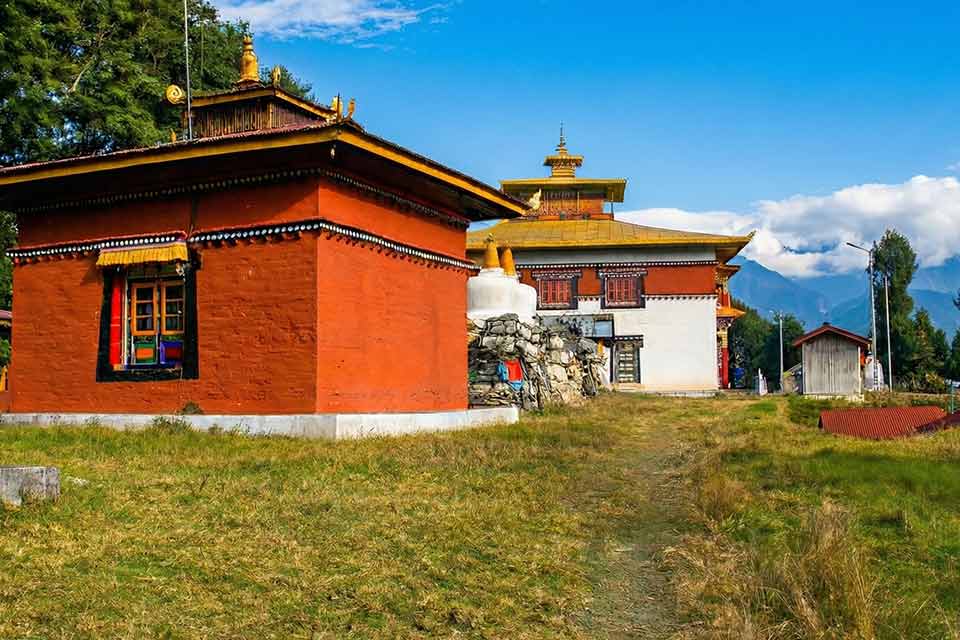
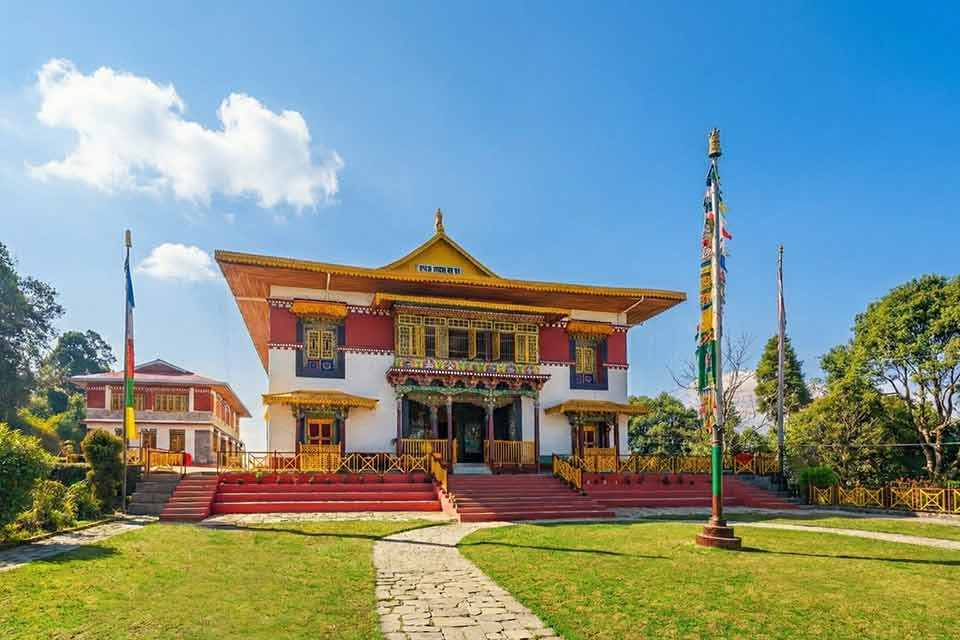
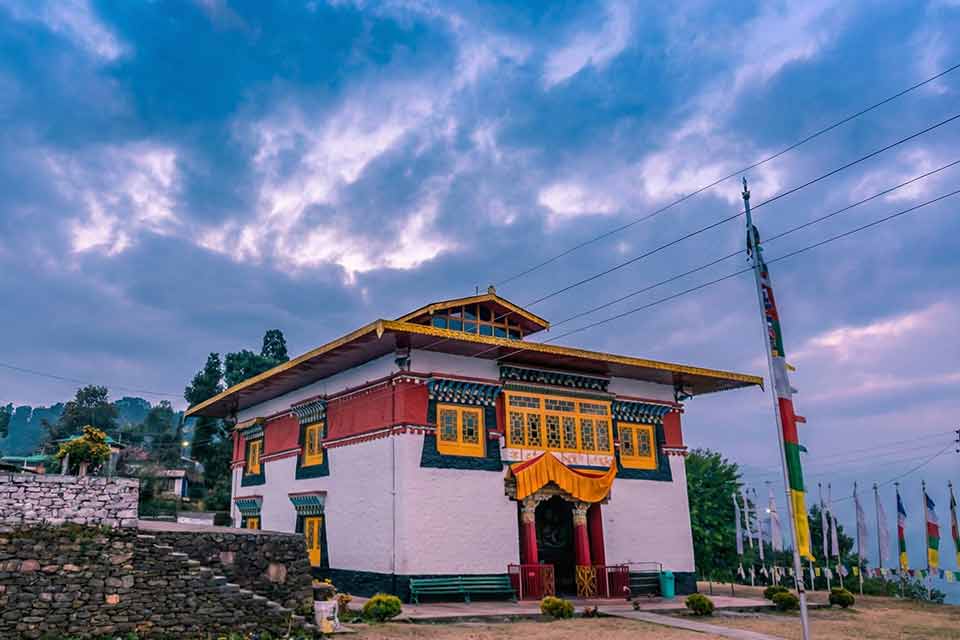
Embark on a soul-stirring journey through the sacred heart of the Himalayas. The Monastic Tour is not just a sightseeing trip; it is a pilgrimage through Sikkim’s holiest landscapes.
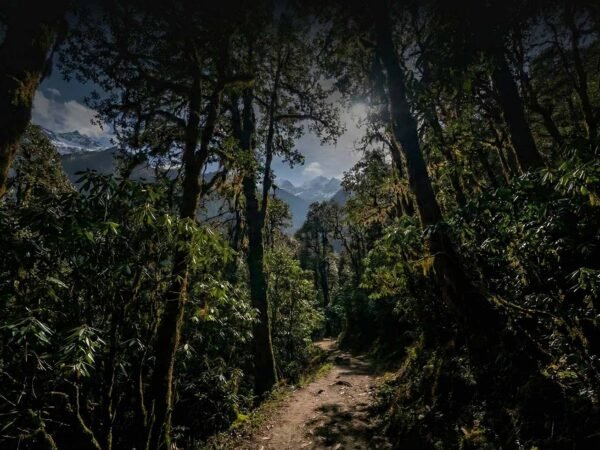
Starting from the royal history of Pemayangtse, you will trek through ancient forests to the ‘wish-fulfilling’ Khecheopalri Lake, explore the birthplace of Sikkim at Yuksom, and stand before the holy chortens of Tashiding, where it is said that a mere glimpse cleanses one of all sins. The journey concludes with the diverse spiritualism of Legship and the grand monasteries of Ralang, offering a perfect blend of Buddhist tranquility and Hindu heritage.
Highlights
- Visit Pemayangtse, the premier monastery of the Nyingma sect.
- Explore Dubdi, Kathok, & Ngadak monasteries in historic Yuksom.
- Visit Tashiding Monastery, the holiest spiritual center in West Sikkim.
- Pay homage at the Kirateshwar Mahadev Mandir (Hindu) and the rare Bon Monastery (Pre-Buddhist faith).
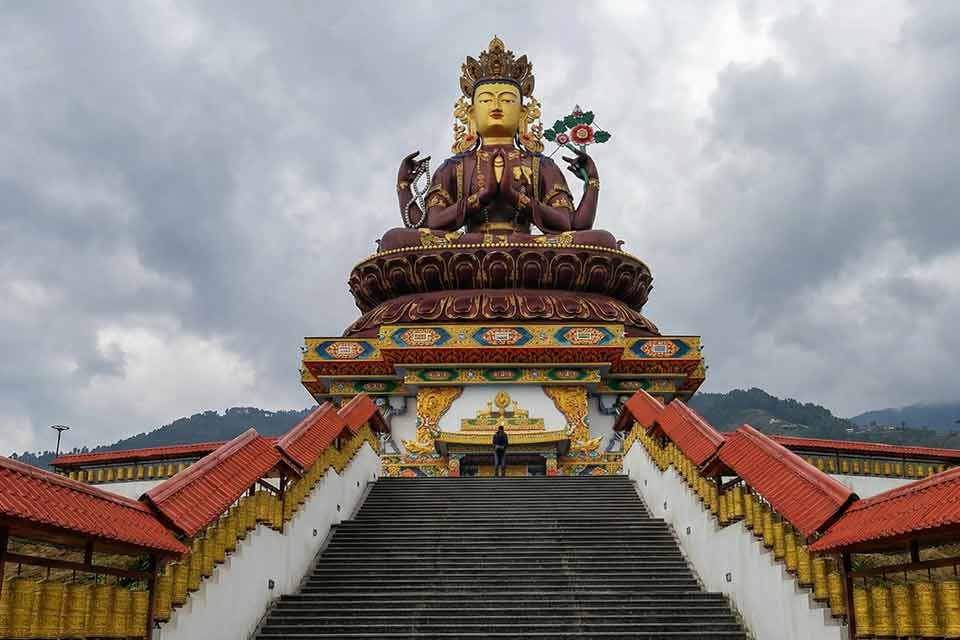
- Witness the grandeur of the New Ralang Monastery and the Buddha Park.
Includes/Excludes
- 6 Nights in Hotels/Homestays (Pelling, Yuksom, Ravangla).
- Dedicated vehicle for point-to-point transfers.
- Knowledgeable Cultural Guide (Essential for explaining the history).
- Entry Fees: Entrance charges for monasteries and parks.
- Meals: Breakfast and Dinner.
- Offerings: Butter lamps or donations at monasteries (Personal choice).
- Travel: Flights/Train tickets.
- Lunch: Daily lunch at local restaurants.
- Tips: For driver and guide.
Itinerary
Day 1: Pelling’s Guardians
Arrive in Pelling. Visit Pemayangtse Monastery (Lotus Born) to see the intricate wooden Zangdog Palri masterpiece. Later, take a short hike up to Sangachoeling Monastery, the second oldest in Sikkim, for sunset views.
Day 2: The Sacred Lake
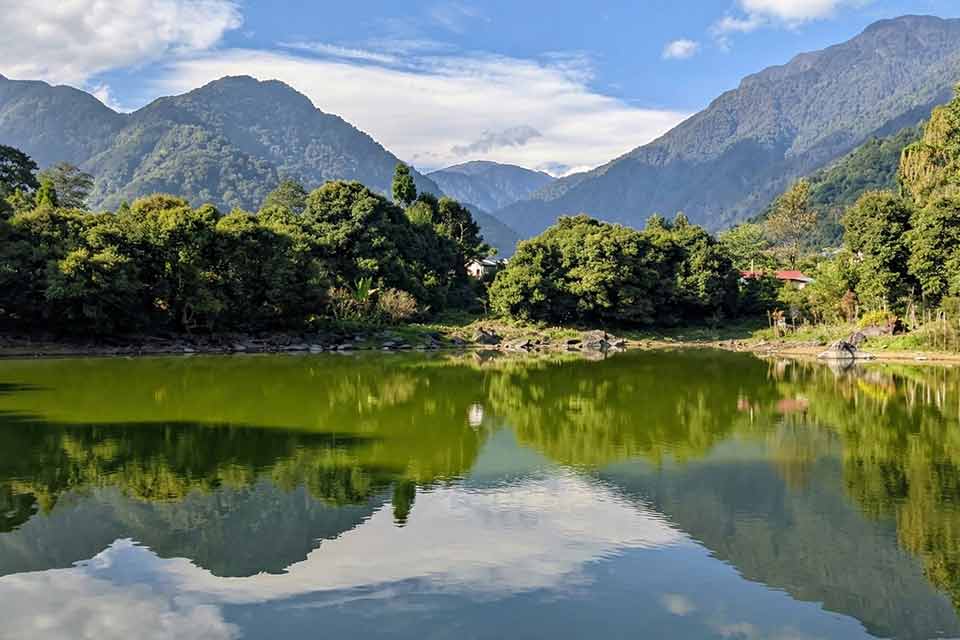
Travel to Khecheopalri Lake. Visit the Khecheopalri Monastery nestled in the forest and the small but significant Melli Monastery en route. Walk around the lake where birds are said to remove any leaf that falls on the water.
Day 3: The Birthplace of Sikkim (Yuksom)
Move to Yuksom. Hike to Dubdi Monastery (The Hermit's Cell), the oldest in Sikkim (1701 AD). Visit Kathok Lake and the ruins of Ngadak Monastery. Stand at the Norbugang Throne where the first Chogyal was crowned.
Day 4: The Holiest Ridge
Drive/Trek to Tashiding. The monastery sits on a conical hill between the Rathong and Rangeet rivers. It is famous for the "Thongwa Rangdol" chorten—the chorten which cleanses sins by mere sight.
Day 5: Legends of Legship
Descend to Legship on the banks of the Rangeet River. Visit the ancient Kirateshwar Mahadev Mandir mentioned in the Mahabharata. Relax at the nearby Reshi Hot Springs.
Day 6: The Ralang Circuit (Ravangla)
Drive to Ravangla. Visit the massive New Ralang Monastery (Palchen Choeling) and the quiet Old Ralang. Explore the unique Bon Monastery at Kewzing (the only one of its kind in Sikkim) and the Doling Monastery by the lake.
Day 7: Departure
Morning prayers and departure from Ravangla to Bagdogra/NJP.
Frequently asked questions
Can I do this trip by car if I cannot trek?
Jeep Tour (3 Days): You can cover all major monasteries (Pemayangtse, Tashiding, Ralang) by vehicle with short walks from the parking areas.
Monastic Trek (7 Days): For a deeper experience, you can hike the ancient trails connecting these villages (Pelling to Khecheopalri to Yuksom to Tashiding), which takes about a week.
Is there a dress code for entering monasteries?
Shoulders and knees must be covered. (No sleeveless tops or short shorts).
Hats and shoes must be removed before entering the main shrine hall (Lhakhang).
It is respectful to switch your phone to silent mode.