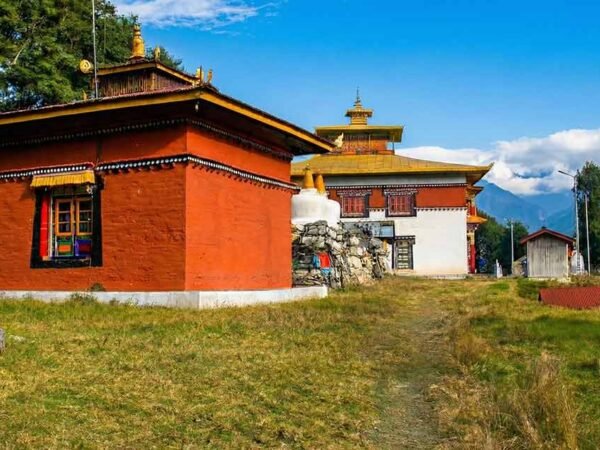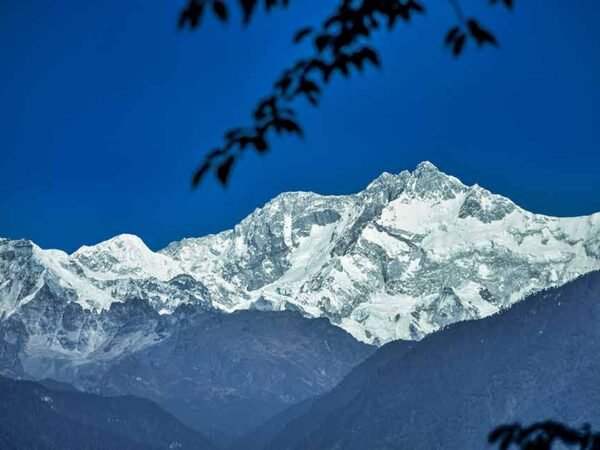


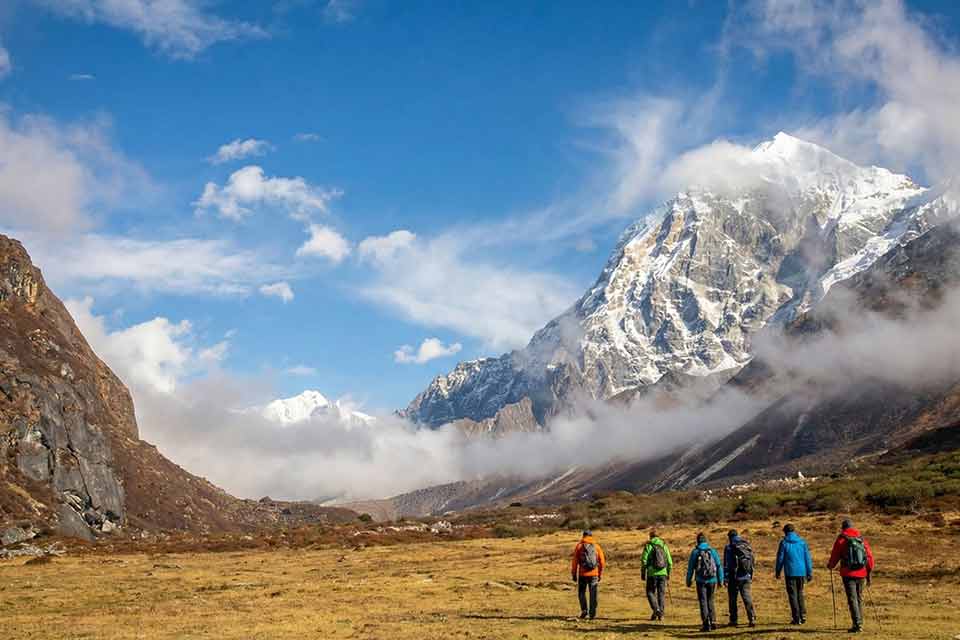
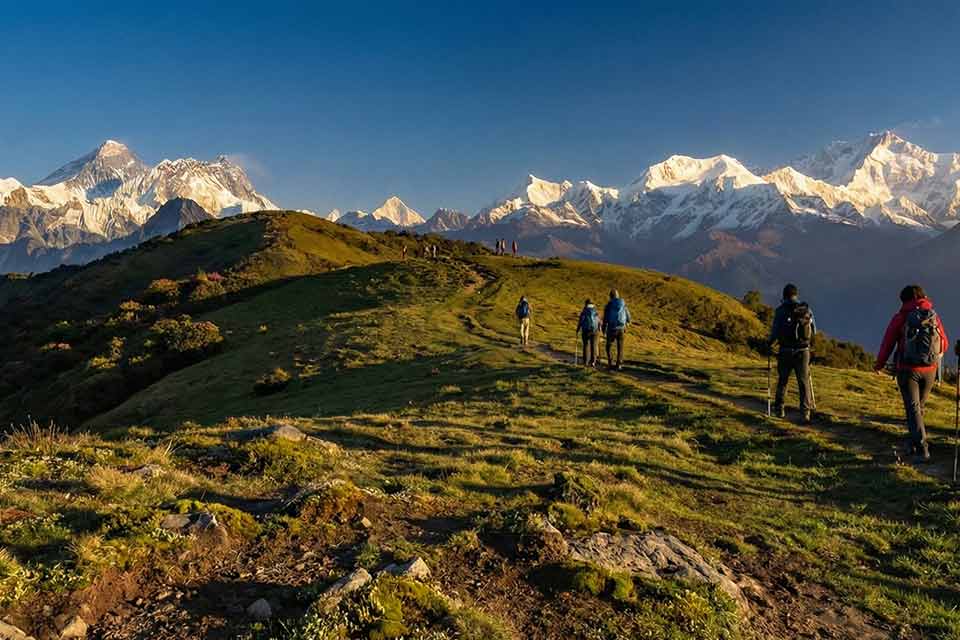
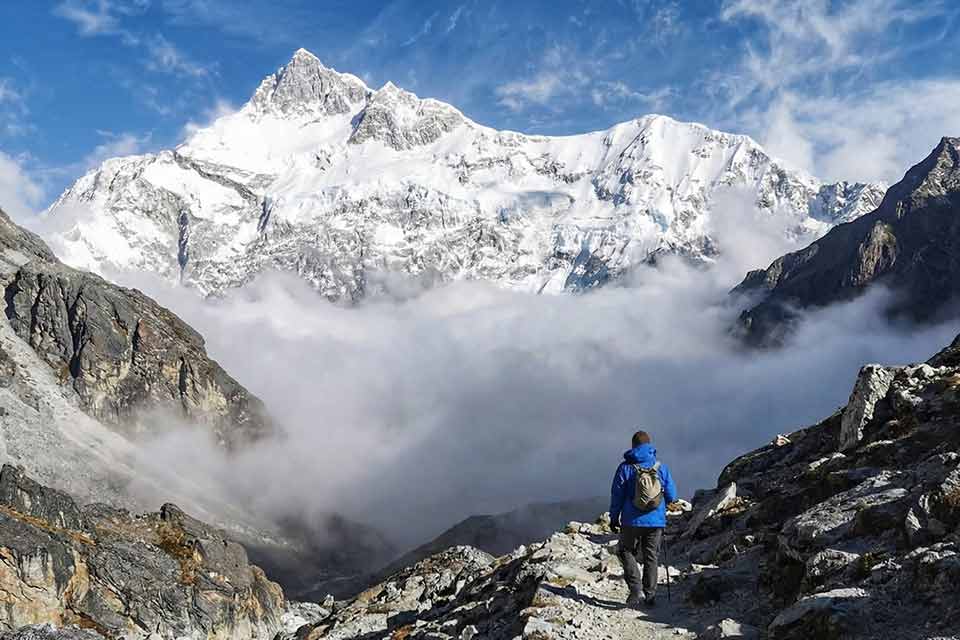
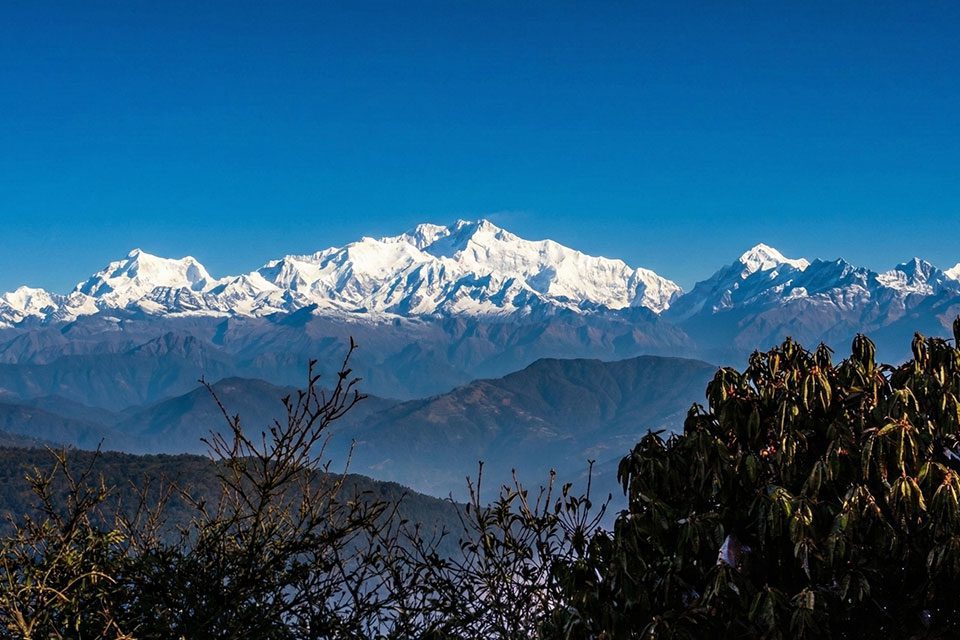
Step into the ‘hidden heaven’ of the Himalayas. The Yambong Singalila Trek is a rare expedition that offers simultaneous views of the world’s highest peaks—Mt. Everest and Mt. Kanchenjunga.
Unlike the crowded trails, this route takes you through the untouched South West region of the Varsey Rhododendron Sanctuary, full of exotic flora and fauna. You will trek along the Singalila Ridge (the border of Sikkim and Nepal), witness hanging glaciers, and summit high-altitude passes like Goecha La. This is a journey for true adventure seekers who want to experience the raw wilderness of the Sikkim-Nepal frontier.
Highlights
- Spectacular views of both Mt. Everest and Mt. Kanchenjunga ranges.
- Trek through the blooming forests of the Varsey Rhododendron Sanctuary.
- Walk the famous Singalila Ridge, separating India and Nepal.
- Summit the Goecha La Pass and explore the meadows of Dzongri.
- Spot rare Himalayan wildlife and view untouched glaciers.
Includes/Excludes
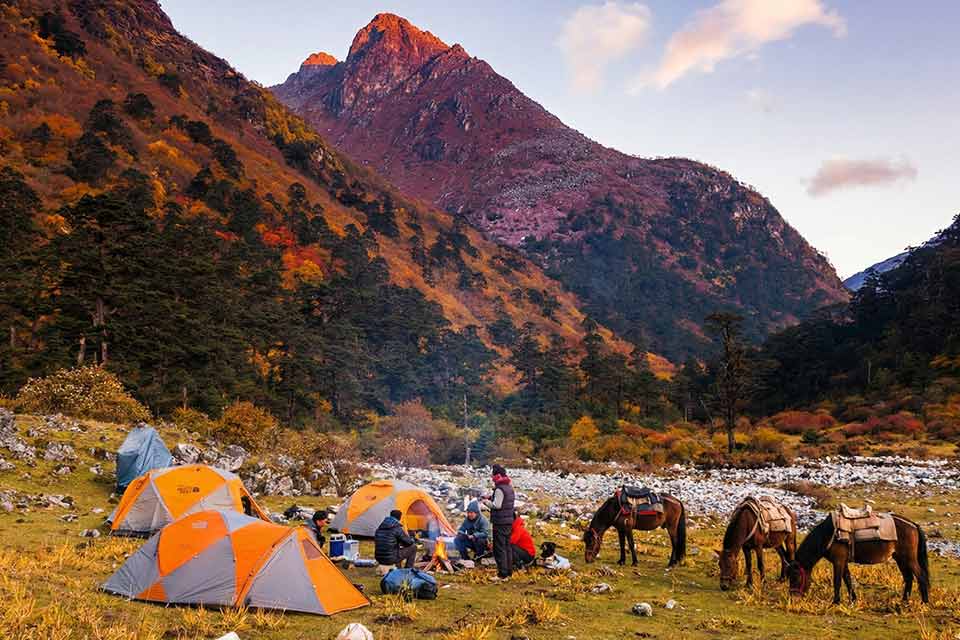
- Stay: 2 Nights Homestay + 7 Nights Camping.
- Meals: All meals during the trek.
- Crew: Trek Leader, Guide, Cook & Porters.
- Gear: Tents, Sleeping Bags, Mattresses & Dining equipment.
- Logistics: Yaks/Porters for carrying camp equipment.
- Permits: National Park fees & Trekking permits.
- Safety: First Aid Kit & Medical support.
- Transport: Airport Pick-up & Drop (Charged as per actuals).
- Personal Gear: Rucksack, Shoes, Clothing & Rain gear.
- Offloading: Personal porter to carry your backpack.
- Travel: Flight/Train tickets.
- Tips: For the field staff.
- Insurance: Travel/Medical insurance.
Itinerary
Day 1: Arrival & Transfer to Base Camp
Route: Bagdogra Airport to Darap Village
Stats: 6 Hours Drive | 5,200 ft
Description:
Pickup from Bagdogra airport and drive to Darap, the base village for the Yambong Singalila trek. In the evening, walk around this quiet and quaint village to acclimatize. Overnight stay at a homestay.
Day 2: The Trek Begins – Into the Wild
Route: Sangkhola to Naya Patal (via Chongri)
Stats: 5 Hours Trek | 8,179 ft
Description:
After breakfast, drive for an hour to the hamlet of Sangkhola on the banks of the Rimbi River. From here, we commence the trek, ascending to the village of Chongri, the highest and last settlement in West Sikkim. Our path meanders through thick temperate forests teeming with life. A final climb through the forest brings us to the grassy meadows of Naya Patal. Overnight in tents.
Day 3: The Ascent to Lower Yambong
Route: Naya Patal to Lower Yambong
Stats: 7 Hours Trek | 12,116 ft
Description:
Our ascent continues with the gradient becoming steeper. The climb alternates between conifer forests and exposed boulders, with the views becoming increasingly spectacular. The forest areas towards the end are prime habitats for the Monal Pheasant, offering good chances of sighting one. A large open field marks our campsite for the night. Overnight in tents.
Day 4: Crossing the Tree Line
Route: Lower Yambong to Lam Pokhari
Stats: 3 Hours Trek | 14,189 ft
Description:
We now cross over the tree line to continue with a short and gentle climb. The landscape drastically alters, filled with juniper shrubs and pretty wildflowers. We set camp on the banks of the serenely beautiful Lam Pokhari lake. Overnight in tents.
Day 5: Sunrise at Daphe Bhir & The Ridge Walk
Route: Lam Pokhari to Pare Meghu
Stats: 6 Hours Trek | 12,824 ft
Description:
Wake up before sunrise to climb up to Daphe Bhir, a viewpoint to admire the first rays of the sun bathing Mt. Khangchendzonga in golden light.
Post breakfast, take the route due West which connects to the Singalila Ridge. Throughout the day you descend and climb, spiraling from one side of the ridge to the other. The initial descent through woods leads to pastures where you may spot Blue Sheep. Beyond, the trail winds steadily through rhododendron thickets. Overnight in tents.
Day 6: Walking with Giants
Route: Pare Meghu to Dhor
Stats: 6 Hours Trek | 12,375 ft
Description:
The trail continues to wind over the Singalila Ridge with omnipresent views of Mt. Khangchendzonga. Verdant valleys, open meadows colored with wildflowers, and imposing snow-clad mountains create a scenic backdrop for your walk. We set camp in one of the soft green meadows. Overnight in tents.
Day 7: The Rhododendron Trail
Route: Dhor to Ghairi
Stats: 4 Hours Trek | 11,685 ft
Description:
It is a relatively short day today as we continue our march on the Singalila Ridge, enjoying the vibrant rhododendron blooms along the path. Overnight in tents.
Day 8: Descent to the Sanctuary
Route: Ghairi to Chewabhanjyang
Stats: 4 Hours Trek | 10,446 ft
Description:
Today is our last day on the Singalila Ridge. On our way, we brush past yaks and sheep being herded by their Nepalese caretakers. A steep final descent gets us to our campsite in the Barsey Rhododendron Sanctuary. Overnight in tents.
Day 9: The Final Descent to Civilization
Route: Chewabhanjyang to Uttarey
Stats: 4 Hours Trek | 6,512 ft
Description:
The first part of your descent today is over steep stone steps, passing through rhododendron forests. On reaching Chitrey, the rhododendron forests give way to Oaks and other temperate trees, with the gradient tapering off. Cardamom fields mark your entry into Uttarey, from where you drive back to Darap.
Day 10: Departure
Route: Darap to Bagdogra Airport
Stats: 6 Hours Drive
Description:
After breakfast, transfer to Bagdogra airport for your onward journey.
Frequently asked questions
How difficult is the Yambong Singalila Trek?
Do I need special permits for this trek?
Indian Nationals: Need a valid Photo ID (Aadhar/Voter ID) for police and forest checkposts.
Foreign Nationals: Need a Restricted Area Permit (RAP) and a special Protected Area Permit (PAP) for trekking. You must apply for these at least 30 days in advance through a registered Sikkim travel agent.
What is the sleeping arrangement like?
Toilet Facilities: Dry pit toilet tents are set up at every campsite.
Start/End: The first and last nights (in Darap/Uttarey) are in comfortable local homestays with western toilets and electricity.
Will there be mobile network or electricity on the trail?
Recommendation: Inform your family beforehand that you will be out of contact for a week. Carry sufficient Power Banks to charge your camera/phone for photos, but keep them on Airplane Mode to save battery.
What is the best time to see the Rhododendrons in bloom?
For Mountain Views: If your priority is crystal clear views of Mt. Everest and Kanchenjunga, Autumn (October to mid-November) is the best season, though it will be colder.